
How a UCLA professor uncovered the science behind loneliness
Rejection hurts — literally. It’s one of many takeaways from research done by UCLA professor Naomi Eisenberger, who investigates how our bodies react to social exclusion and loneliness. The aim of her research is to help us better understand the human condition and how the ways we connect with each other affect our well-being.
Eisenberger is a social psychologist — a field she became interested in when she noticed how a fear of rejection influenced her behaviors. She also directs the Social and Affective Neuroscience Lab, which uses behavioral, physiological and neuroimaging techniques to investigate how our minds, brains and bodies are shaped by social connection.
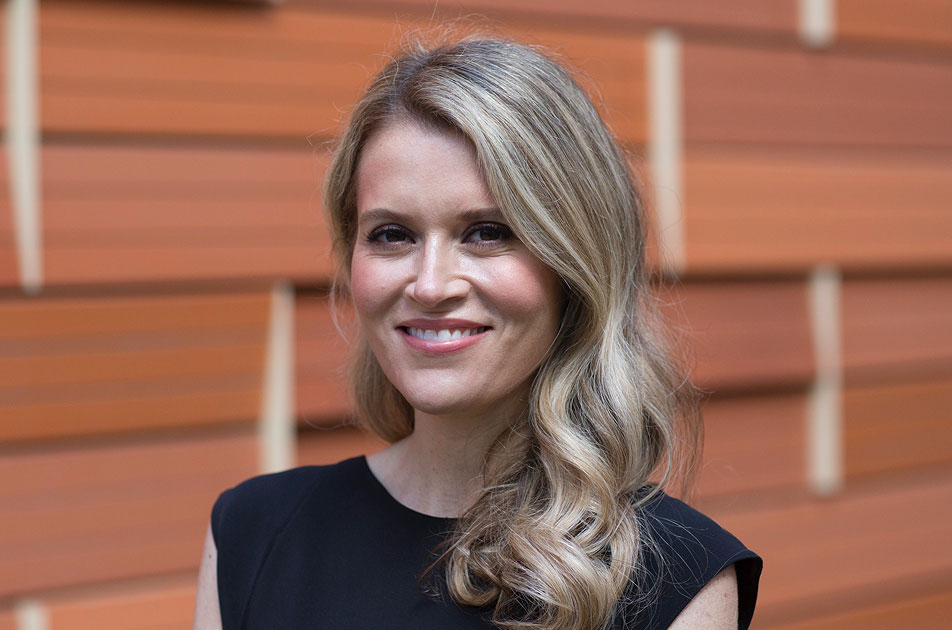
“The most intense experiences we have in our closest social relationships include feeling loved, connected and wanting to help other people, but they also involve feeling left out, alone and isolated,” Eisenberg said. “I try to understand where these intense experiences come from and how the brain processes them.”
This curiosity led her to co-author a study examining a gene linked with both physical and social pain sensitivity. Researchers assessed saliva samples from 122 participants to identify a variation in the mu-opioid receptor gene (OPRM1). Participants then completed a survey on their self-reported sensitivity to rejection, and their brain activity was monitored during a virtual ball-tossing game in which they ultimately faced social exclusion.
The study determined that people with this gene variation are more prone to sensitivity to rejection and demonstrate more distress in their neural responses, including in brain regions often associated with physical pain.
“Because social connection is so important, feeling literally hurt by not having social connections may be an adaptive way to make sure we keep them,” Eisenberger said.
In a virtual study about loneliness during the pandemic, research from Eisenberger and her team showed that doing something kind for others reduces people’s levels of depression, anxiety and loneliness. In addition, they found that doing kind acts for others, as opposed to simply engaging in self-care, reduced loneliness.
Eisenberger’s research, which has received support from the National Institutes of Health, demonstrates the importance of national funding for understanding how our minds and bodies communicate. The research provides key insights in addressing loneliness and building connections for a healthier society.